
Our work / Innovation programs

Make room for better ideas. Then put them to work.

Help your team choose which ideas to test, design useful pilots, and build a repeatable way to learn.

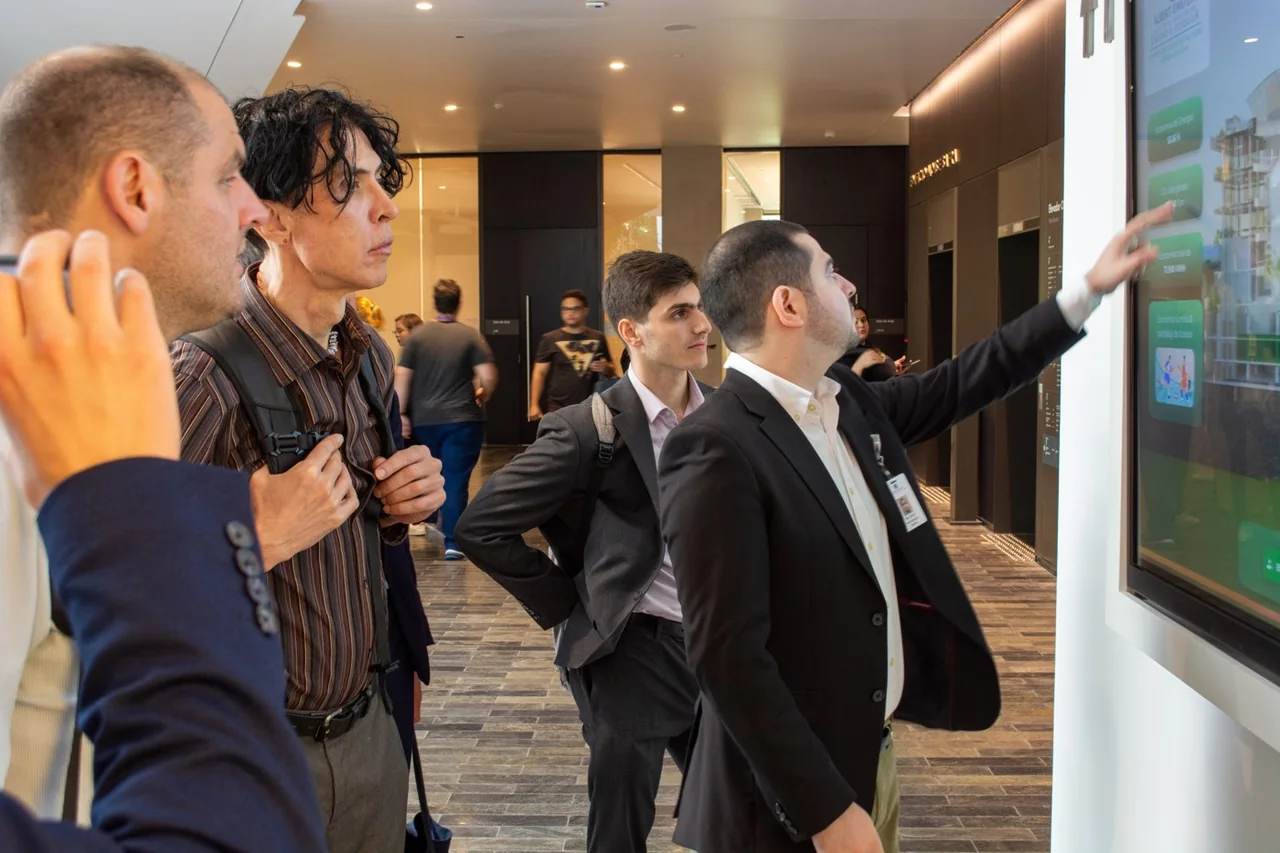
A guide points to a large digital display while visitors look on.
A guided visit at Einstein, September 2024.São Paulo · September 2024

Explore an illustrative example

Which community learning idea should a team pilot?

A team has several ideas and limited time. Before designing a whole program, it needs to understand what people would find valuable and what might keep them from taking part.

From the question to the work

A challenge brief

Name the people the program hopes to serve, the change they want, and the constraints the team already knows about.

Keep the purpose in viewWhich community learning idea should a team pilot?

360Illustrative example

A challenge brief

People
Adults balancing learning with work and family responsibilities.
Question
What would make a community learning program useful and possible to attend?
Context
Existing activities, local resources and the constraints people describe.

An example of a useful working output, not a completed engagement.

From the question to the work

An experiment plan

Choose one assumption to test. Draft interview questions or a small workshop prototype that could produce useful evidence.

Keep the purpose in viewWhich community learning idea should a team pilot?

360Illustrative example

An experiment plan

Assumption
An evening session would make participation easier.
Small experiment
Walk through a sample invitation and session plan with potential participants.
What to learn
Whether the format fits their needs, schedules and expectations.

An example of a useful working output, not a completed engagement.

From the question to the work

A pilot decision

Compare what was learned with the original idea. Decide what to change, what to test next, and what would justify a larger commitment.

Keep the purpose in viewWhich community learning idea should a team pilot?

360Illustrative example

A pilot decision

Compare
What people said they needed with the format the team proposed.
Decide
Keep, change or set aside the idea before building the full program.
Carry forward
The question, the learning and a clear reason for the next pilot.

An example of a useful working output, not a completed engagement.

Every program begins with the people and the setting.

Discuss a program
Who this is for

Nonprofits, public institutions, universities, and teams working on challenges that matter to their communities.

Start with the people affected.

A useful innovation program begins with a real situation. Who is experiencing the problem? What have they already tried? What would improve their daily experience? We help teams frame the challenge with the people closest to it, rather than starting with a technology in search of a use.

Learn by testing something real.

Workshops are a starting point. The learning becomes useful when a team turns an assumption into a question it can investigate. That might mean a conversation with a potential user, a small prototype, or a pilot designed to answer one specific uncertainty.

Build the team's ability to keep going.

Our work brings structured problem framing, business validation, facilitation, and practical implementation support into the same conversation. The aim is to help a team make more informed choices and develop the confidence to continue learning after a workshop ends.

Design around the setting.

An institution's resources, responsibilities, and community relationships shape what is possible. We work with those realities when discussing a program. Tell us about your team, the challenge you are facing, and what a useful next step would look like.

Let’s find the next useful step.

Discuss a program